

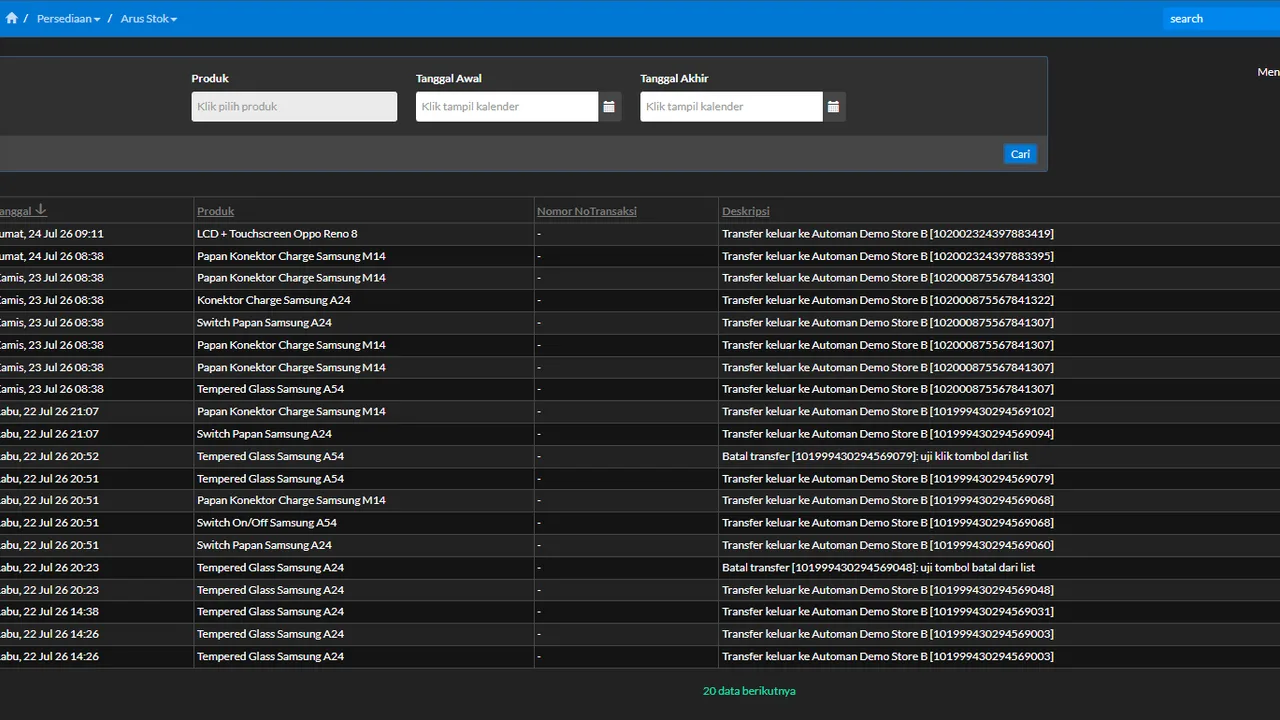
Most shops know stock-taking as a painful annual ritual: close the shop, count all night, discover a large gap nobody can explain anymore. That pattern isn’t fate — it’s the result of the wrong frequency. A gap found a year later is a mystery; a gap found this week still has warm footprints.
The frequency principle: the sooner it’s caught, the cheaper it is
The value of a count isn’t the counting — it’s the distance between the event and its discovery. A part that went missing yesterday can still be traced: its last transaction, who used it, which return never got recorded. A part that went missing “sometime this past year” can only be written off.
Hence the practical rule: frequent and small beats rare and large.
A realistic rhythm for repair shops
Weekly — the small count (15–30 minutes): count only the 10–20 fastest-moving or highest-risk items — popular screens and batteries in an electronics shop, engine oil, filters and brake pads in a workshop. Whatever moves most also tempts most. With so few items, no closing needed; rotate the category each week.
Monthly — the medium count (1–2 hours): one or two full categories, rotating so everything gets touched every 2–3 months.
Yearly — the big count: every shelf, once a year, to close the books on clean numbers. If the weekly-monthly rhythm runs, the big count turns out fast — hardly any surprises left.
The signal to increase frequency: weekly gaps recurring in the same category. That’s not discouraging — that’s the count doing its job, pointing at the leak’s location.
A gap is found — then what?
Here’s where many shops stumble: the gap is found, noted on paper, and… nothing happens, so next month carries the same gap forward. Proper handling goes two ways:
- Book the adjustment — so the records return to honest and the gap doesn’t infect the next period. A recorded adjustment also makes the period’s total “drift loss” visible — a number worth an owner’s eye.
- Trace the pattern — a gap is a symptom; the roots are almost always the same few paths:
The dissection of each path lives in the stock drift article.
Making counts light instead of a project
Three things turn counting from a dread into a routine: a count list from the system (you count against a list, instead of building the list while counting); blind counting (write the physical number first without peeking at the system’s — peeking makes eyes “adjust”); and adjustments booked on the spot, while the context is fresh. All three are part of the flow in spare parts inventory.
A shop with healthy stock isn’t one that never drifts — it’s one whose drift is always caught the same week, explained, and closed. The rhythm does that, not luck.