

There’s one question rarely asked when choosing software — and it only starts feeling important when the relationship with the vendor sours: who actually owns my shop’s data?
Years of repair history, thousands of customer contacts, stock cards, warranty records — the business asset hardest to rebuild. And at many services, that asset sits entirely in someone else’s hands.
The simple test: could you leave?
Data ownership isn’t about a sentence in the terms of service — nearly every service writes “the data belongs to the customer.” The practical test: if you decided to quit tomorrow, could you take your data out in a usable form, without begging, without ransom?
From that test, three bad scenarios that genuinely happen:
- Hostage data — no export offered, or only a “contact support” that stops replying once you stop paying.
- Token exports — you can download something, but the format is practically useless (PDF reports, not raw data).
- Service dies, data dies with it — the vendor shuts down and customer data vanishes. The cheaper and vaguer the business model, the realer this risk.
Four questions for any vendor
- “How is my shop’s data stored — mixed with other shops?” Healthy architecture separates data per shop (a standalone database), not one giant vat for everyone. That separation isn’t just tidiness: it makes your data backupable, restorable, and portable as one unit that’s yours.
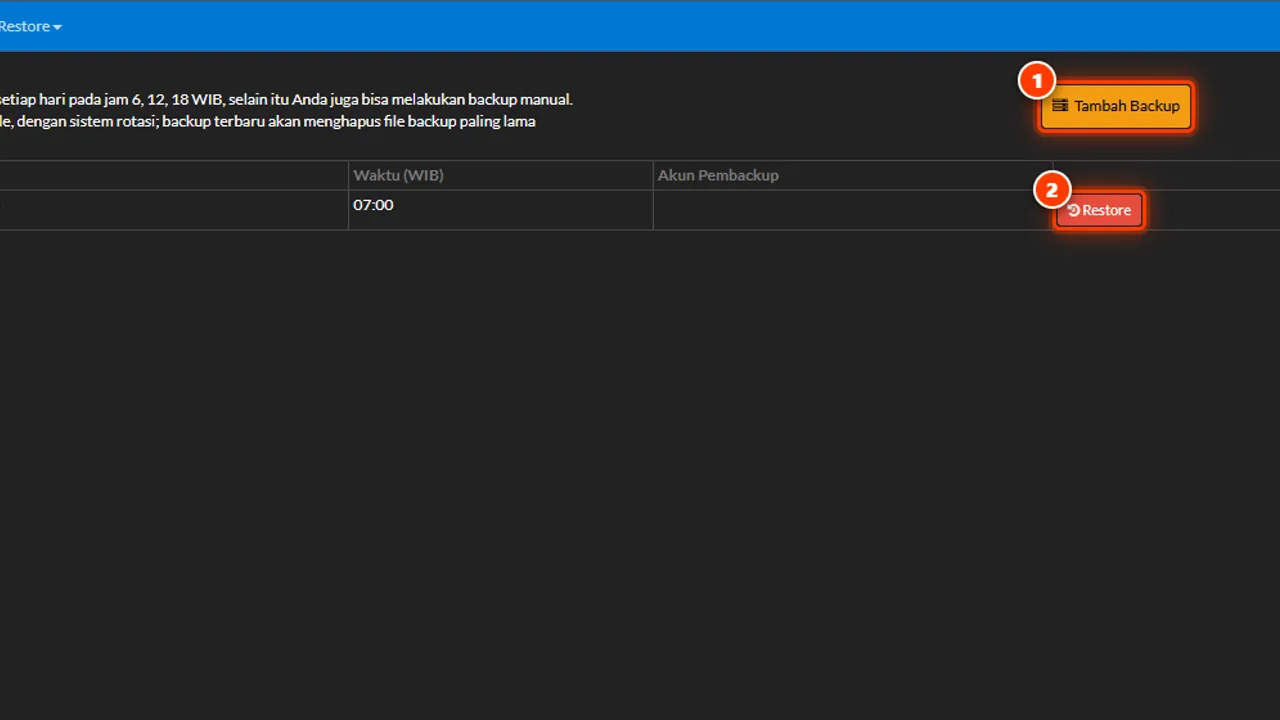
- “Can I run a backup myself, whenever I want?” A backup only the vendor can perform = conditional ownership.
- “If I cancel, what do I take home?” Demand specifics: which data, what format, until when.
- “If your service shuts down, what happens to my data?” An impolite question that must be asked anyway — their reaction answers it even when their words don’t.
Where Automan stands
To keep this article fair, we answer the same questions: every shop on Automan runs on a standalone database — your shop’s data isn’t blended with anyone else’s. Backups can be run from the app (and should become a habit), data can be exported out, and the way in is open too (Excel import) — because a healthy door opens both ways.
The principle is simple: a software vendor confident in its product doesn’t need to hold its customers’ data hostage. What keeps you should be the product’s quality, not a walled exit.
Put this on your criteria list
Data ownership rarely feels important on purchase day — and always feels critical on parting day. Add the four questions above to your software selection checklist, right alongside features and pricing. Because of all switching costs, the most expensive one is restarting from zero on data that was rightfully yours.